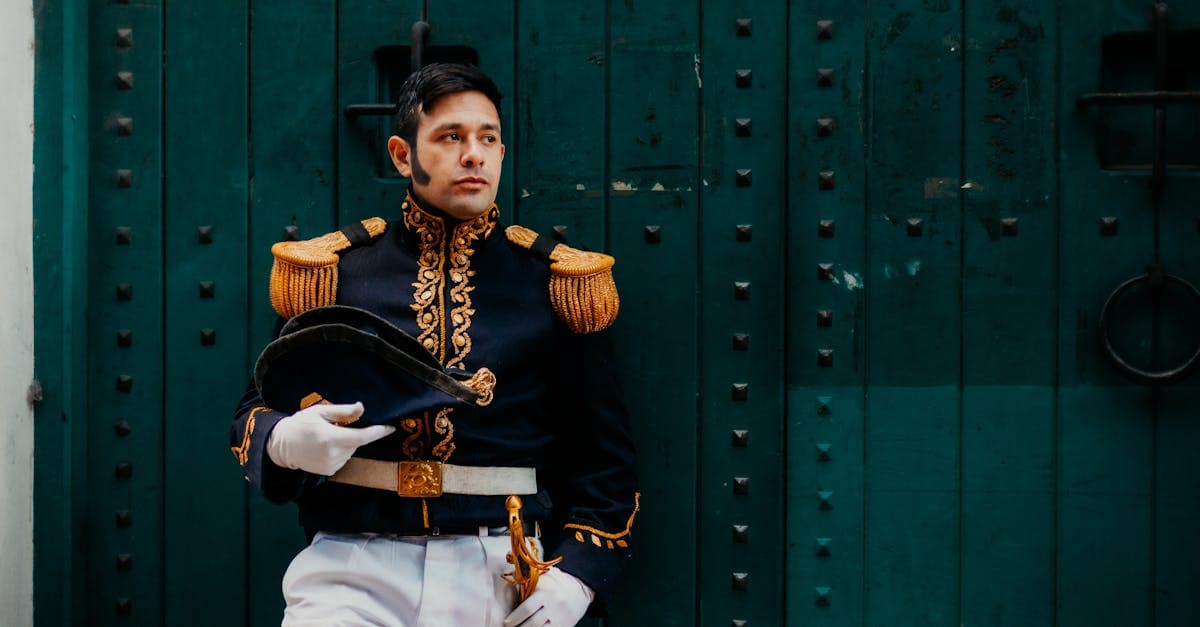
Military photos are a specific category in family archives, and they often carry more weight than any other image a family owns. For many veterans, the official service portrait was the only professional photograph taken of them for decades. For many families, it's the only photograph of a relative who didn't come home. The restoration work is technical, but the stakes are not.
What military photos look like — convention and damage
Military photography falls into several distinct conventions, and each has its own typical damage pattern:
- Formal service portraits — Usually silver-gelatin prints taken by a service photographer in a studio setting at the start of service, showing the subject in dress uniform, straight-on, neutral background. Often 5x7 or 8x10. These are the images framed on walls and sent home to parents. Silver-gelatin is the dominant process here, according to Graphics Atlas (graphicsatlas.org).
- Unit photos — Large group photographs, typically panoramic, showing an entire company or unit. Often printed on long roll paper. Damage patterns are specific: because they were rolled for storage, they develop curl memory and cracking along roll lines.
- Informal service snapshots — Small prints taken by fellow soldiers, often with basic cameras. WWII-era examples are frequently small-format silver-gelatin prints with deckle edges and date/location handwritten on the back.
- Field photographs — Shots from active service, from WWI trenches through Vietnam jungle. These may have come home in letters and are often the most physically damaged — creased, water-stained, mud-spotted.
The U.S. National Archives maintains service photo collections as part of military personnel records. It's worth noting that a huge number of these records were lost in the 1973 National Personnel Records Center fire in St. Louis, which destroyed an estimated 16–18 million military personnel files including many photographs (archives.gov/research/military). For many families, any surviving photograph of a WWII-era service member is irreplaceable specifically because the official record may have burned.
Damage patterns specific to military photos:
- Water damage from shipping home through mail, letters, or overseas moves
- Creases from being carried in a wallet or letter — common for the pocket-sized copies relatives kept
- Yellowing typical of mid-20th-century silver-gelatin prints stored in albums or letters (nedcc.org)
- Unit-photo roll cracking along the original storage curl
- Mount damage on studio portraits framed and hung for decades
- Cigarette smoke staining — a real factor for photos kept in mid-century households
- Inscription fading on the back, where service members wrote names, dates, and locations
The Library of Congress Veterans History Project collection is a useful visual reference for authentic service-photo conventions and what original prints looked like when new (loc.gov/rr/print/coll/vets.html).
What AI can fix on a military photo
- Creases and fold lines from wallet/letter storage
- Water stains and tide lines
- Yellowing from age and smoke
- Faded uniform detail — badges, insignia, rank marks
- Low contrast on dark uniforms against dark backgrounds
- Face recovery on small snapshot-format photos
Limitation worth naming: uniform insignia, rank, and unit patches are historical data. AI restoration can sharpen and clean these, but it can also "smooth" them in ways that obscure or misrepresent specific details. If the insignia are important for genealogical or historical accuracy — confirming which unit someone served in, for example — scan the original at high resolution, keep the original scan as your reference, and treat the restoration as an enhanced viewing copy. Never let AI "complete" a partially obscured insignia; that's invention, not recovery.
Also worth flagging: some military photos show subjects who died in service. Families often know this and feel it strongly. Restoration work on these photos is emotional labor as well as technical work. There's no rush.
Example restorations
A WWII-era formal service portrait. 8x10 silver-gelatin, framed for 80 years, with mount staining and yellowed highlights. Restoration can recover the uniform detail and the face while preserving the insignia exactly as scanned.
A unit photo from Korea. A long panoramic roll print, cracked along old curl lines, with a few damaged faces in the line. Restoration can rebuild the cracks. A single curl damage across a face may not be fully recoverable — the AI will fill plausibly, but it's a reconstruction.
A pocket snapshot from Vietnam. A 3.5x5 drugstore print carried in a wallet, with deep creases and a water stain. These are often the only informal photos a family has and the restoration impact is substantial — but the source is low-resolution and the face recovery should use light settings.
How to restore your military photo
- Scan at 600 DPI or higher, and scan the back separately. The back often has names, dates, unit numbers, and locations in handwriting — critical historical data that should be preserved with the image.
- Upload the front to /restore. For formal portraits, a standard restoration pass is usually enough. For damaged field photos or carried snapshots, start light and compare.
- Keep the original scan archived alongside the restoration. For anything going into a family history document, a museum submission, or the Veterans History Project, provide both the original scan and the restored version — not just the restored one.
Military photos often sit in family archives alongside a veteran's wedding photo and sometimes a passport photo from the same era. For much older material from ancestors who served in the 19th century — Civil War tintypes are the classic example — see tintype restoration. For faded brown prints in the same box, sepia photo restoration is the right page.
Pricing: one $9.99/month plan, 40 credits, every tool unlocked. Credits never expire, with a 7-day money-back guarantee. /pricing · /how-it-works.
Sources
- U.S. National Archives on military personnel records and service photographs, including the 1973 NPRC fire that destroyed millions of records
- Library of Congress Prints & Photographs: Veterans History Project and military photo collections as reference for conventions
- Graphics Atlas on silver-gelatin prints — the dominant process for 20th-century official military portraits
- NEDCC on preservation of 20th-century photographic prints
More photo types we restore
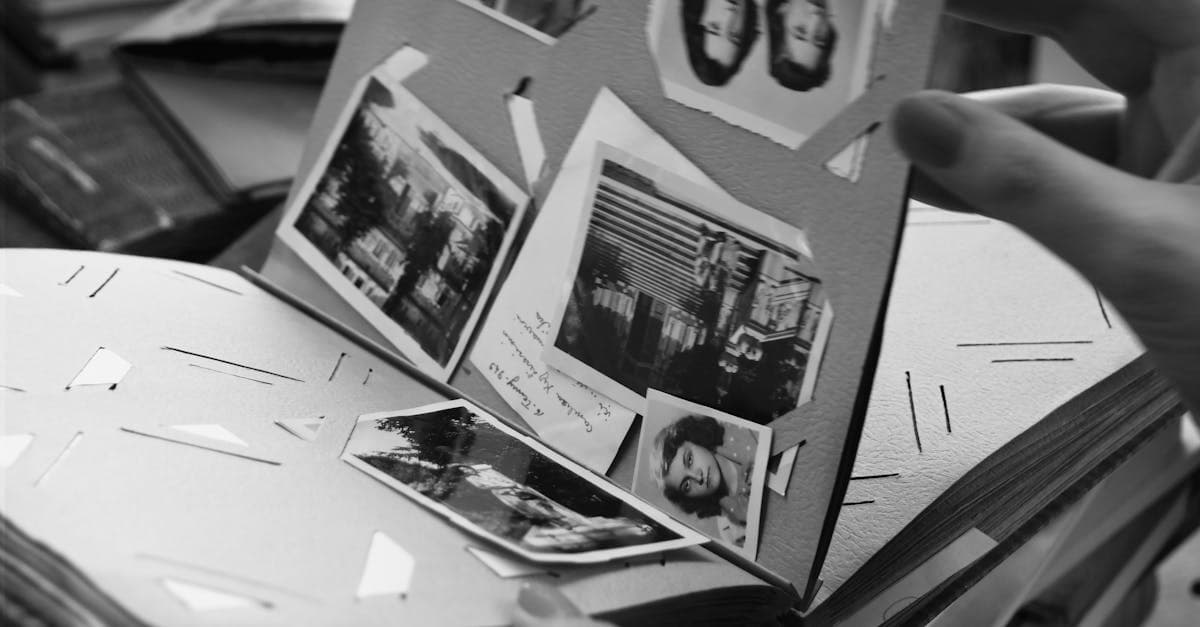
Bring cracked, yellowed, or water-stained wedding photos back to life. AI restoration for album pages, studio portraits, and reception candids.
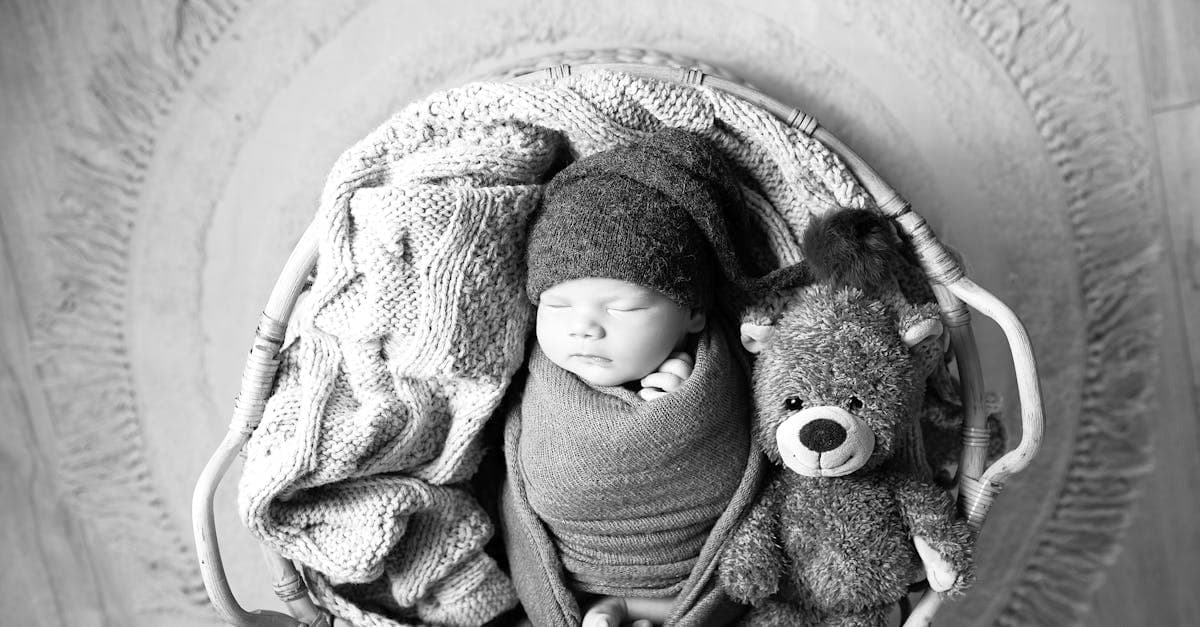
Rescue faded hospital baby pictures, studio portraits, and first-year snapshots. AI restoration for color shift, creases, and album damage.
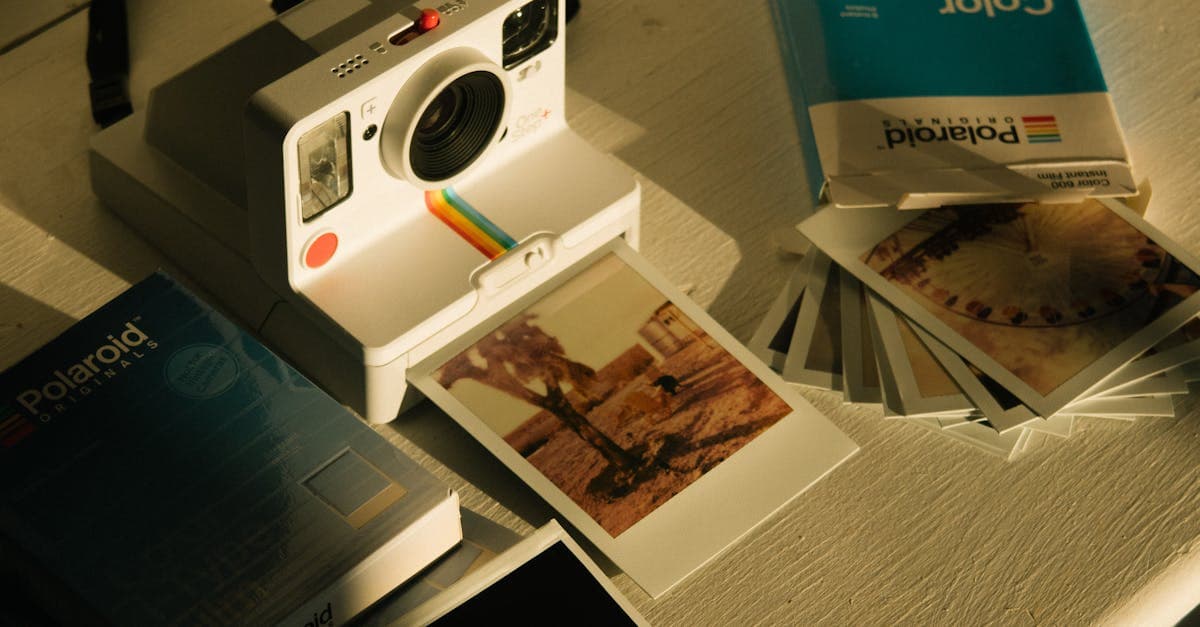
Fix faded, yellowed, or orange-shifted Polaroids. AI restoration for SX-70, 600, and Spectra instant prints with honest limits.
Restore 19th-century tintypes with rust, scratches, or fading. AI-based recovery for ferrotype portraits from the Civil War era onward.
Ready to restore your photo?
Free preview, no account needed. Download it in full resolution with a free account.
Upload a photo