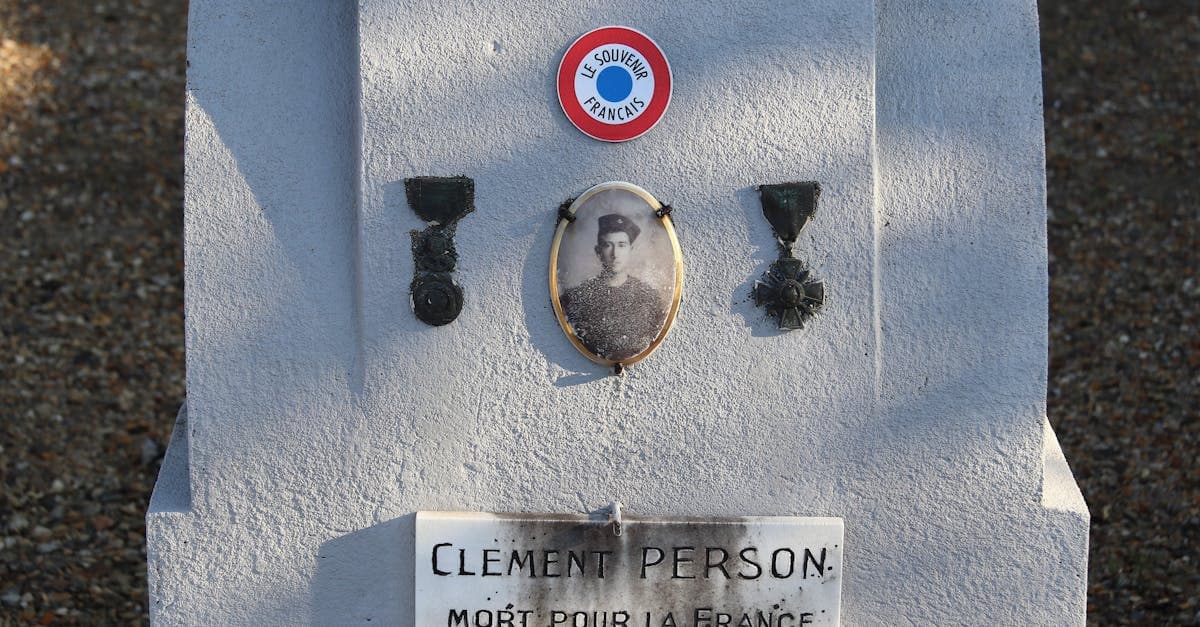
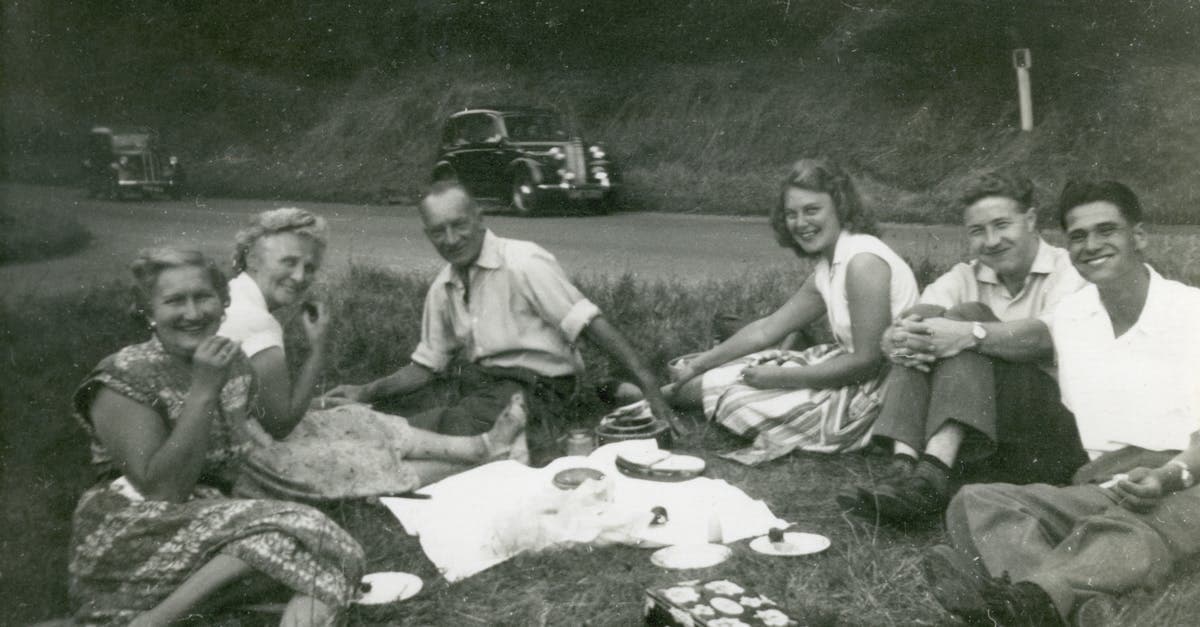
The 1910s gave us the first generation of photographs made by ordinary people with ordinary cameras — thanks to Kodak's slogan "You press the button, we do the rest" and the runaway popularity of the Brownie. It is also the decade that produced the world's first mass body of color photography, in the form of the Autochrome Lumière plate, and the decade whose photographs were most brutally tested by the conditions of the First World War. A 1910s family album can include a studio portrait indistinguishable from an 1890s cabinet card, a handheld snapshot at a picnic, and a real-photo postcard mailed from a trench in France.
Because the decade straddles so many technologies, 1910s photographs are often a puzzle to identify. What they share is emotional density: these are the faces of people who lived through the deadliest pandemic in modern history and the first industrial war. Restoring them matters in a way that goes beyond aesthetic repair.
How photographs were made in the 1910s
Gelatin silver developing-out paper remained the dominant print medium, but the 1910s introduced two innovations that still appear in family archives today. First, the real-photo postcard (RPPC) — an actual gelatin silver print made directly on postcard-sized photo paper — became a cheap way to mail images, and billions were produced between 1907 and 1920. Second, the Autochrome Lumière plate, invented in 1903 but popularized in the 1910s, produced genuine color photographs using a layer of microscopic potato starch grains dyed red, green, and blue-violet. Autochromes must be viewed on a light table and look like pointillist paintings.
Most amateur photography was shot on Kodak roll film using Brownie and Vest Pocket Kodak cameras; Vest Pocket Kodaks were famously carried into the trenches as "the soldier's camera." Studio work was still done on glass plates, which were readily available through the decade.
What damage looks like on 1910s photos
Autochrome plates fade in a very specific way: the dyes on the potato starch grains shift and desaturate, and the plate develops a greenish-yellow cast as the red-sensitized grains degrade first. Because the plates are glass, any crack or chip is permanent. Gelatin silver prints and RPPCs from this decade commonly show silver mirroring in the shadows and a generalized brown-yellow fade, often with chemical staining from the thin, cheap postcard stock used during wartime paper rationing.
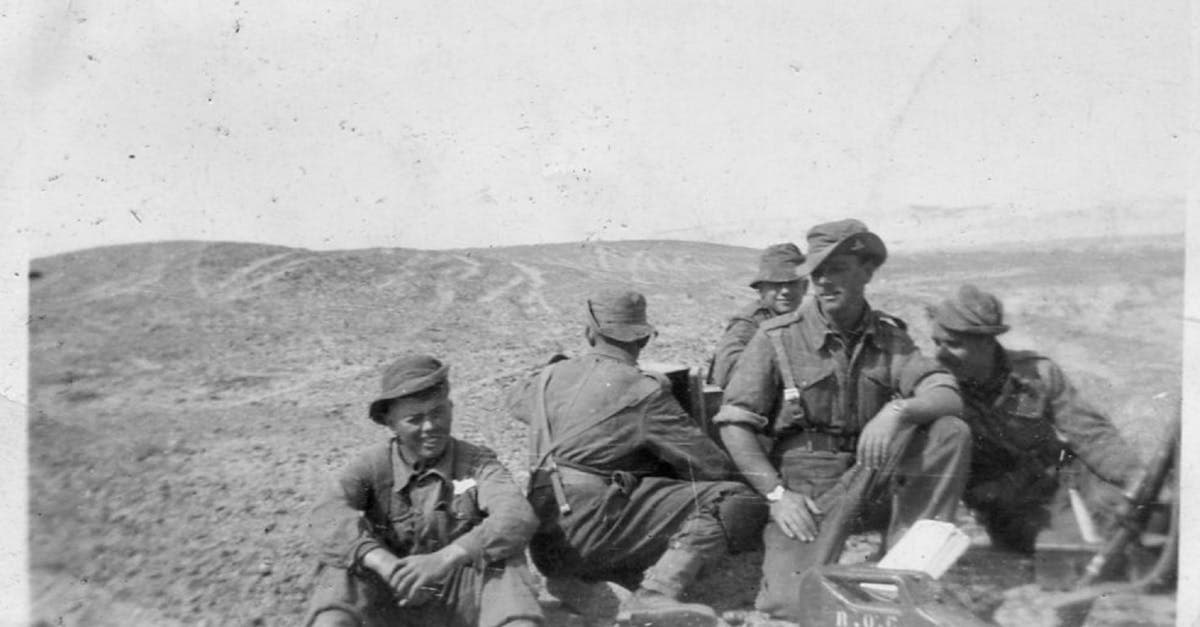
Photographs made in the field during WWI frequently show tropical or damp-climate damage: mottled staining from moisture, emulsion lift where the print stuck to something wet, and physical creasing from being carried in a pocket or wallet. Vest Pocket Kodak negatives are tiny (4.5x6 cm), so the prints are usually contact-printed or modestly enlarged, which means any grain or damage is amplified when you scale them up.
What AI can restore on 1910s photos
The restore tool handles the three signature 1910s problems: silver mirroring on gelatin silver prints, the yellow-brown tonal shift typical of the period, and the creasing and surface wear that wartime snapshots accumulated. For Autochromes, the AI can rebuild tonal contrast and partially correct the greenish color cast, though the pointillist texture of the starch grains is preserved as part of the image character. The face-restore model is particularly useful on small Vest Pocket Kodak prints where faces are only a few millimeters across in the original.
What AI cannot do: reconstruct a cracked Autochrome plate, recover an RPPC whose emulsion has been entirely washed away by water damage, or invent detail in a print that has been scorched, chemically burned, or adhered to another surface.
Tips for scanning 1910s photos
Autochromes must be scanned as transparencies on a flatbed scanner with a transparency unit, ideally at 2400 DPI or higher — the starch grains are visible at 1:1, and you want to capture them faithfully. Never press an Autochrome against the glass without a mylar sheet; the gelatin overlayer can stick. Gelatin silver prints and RPPCs scan fine at 600 DPI for standard reproduction. Scan RPPCs from the front only unless there is handwriting on the back worth preserving separately. Vest Pocket Kodak prints, because of their small native size, should be scanned at 1200 DPI or higher so PhotoFlip has enough pixels to work with.
How to restore a 1910s photo with PhotoFlip
- Scan at 600 DPI for prints, 1200 DPI for small contact prints, 2400+ DPI for Autochrome plates.
- Upload to /restore for tonal recovery and damage repair.
- For small-face portraits, follow up with /face-restore.
Frequently Asked Questions
The AI restoration preserves the characteristic pointillist texture of Autochromes because that texture is the image. It corrects the greenish-yellow cast that comes from red-dye fading and rebuilds tonal contrast, but it will not smooth away the starch grains or try to make the plate look like a modern color photograph.
It is a true gelatin silver photograph, exposed directly onto photographic paper cut to postcard dimensions. That is why RPPCs respond to restoration the same way a regular silver print does — you are working on the original emulsion, not a halftone reproduction. RPPCs with postmarks can also be dated precisely.
Yes, and this is exactly the kind of damage the restore model handles well. Creasing, wallet-wear, and light chemical staining sit on the surface of the image and the AI can separate them from underlying content. Heavy moisture damage where the emulsion has actually lifted is harder to recover, but tonal shifts from sweat and tropical humidity are usually fixable.
The Vest Pocket Kodak used 127 roll film, producing a negative of only 4.5x6 cm, and most photographs were contact-printed at exactly that size to save money. Scan them at 1200 DPI or higher so the AI has enough resolution to enlarge and rebuild facial detail.
Sources
Restore photos from other decades

Ready to restore a photo from the 1910s?
Free preview, no account needed. Download it in full resolution with a free account.
Upload a photo