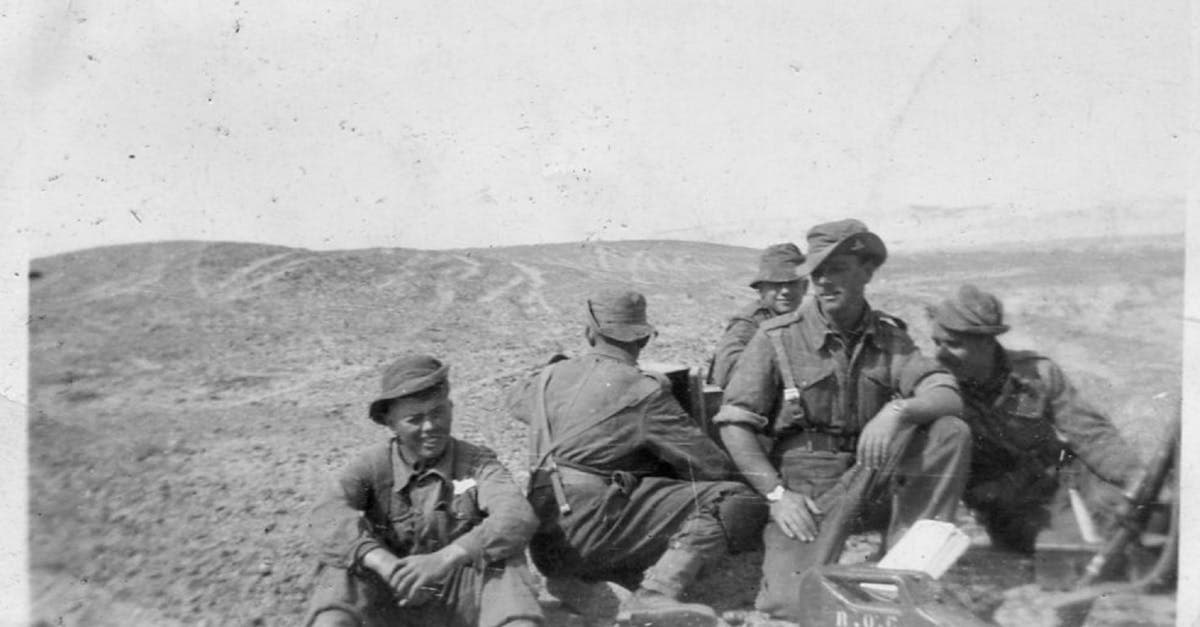
The 1940s is the decade when a photograph became the most important object in millions of households — the picture of a son or husband in uniform, pinned above a kitchen stove or folded inside a wallet, the only tangible link across a war that would kill more than sixty million people. It is also the decade that produced V-Mail, the miniaturized photographic mail system the US Army used to carry letters home; the decade when Kodachrome reached its mature K-14 process; and the decade when Ektachrome (1946) first made color photography accessible to amateurs who could process it themselves.
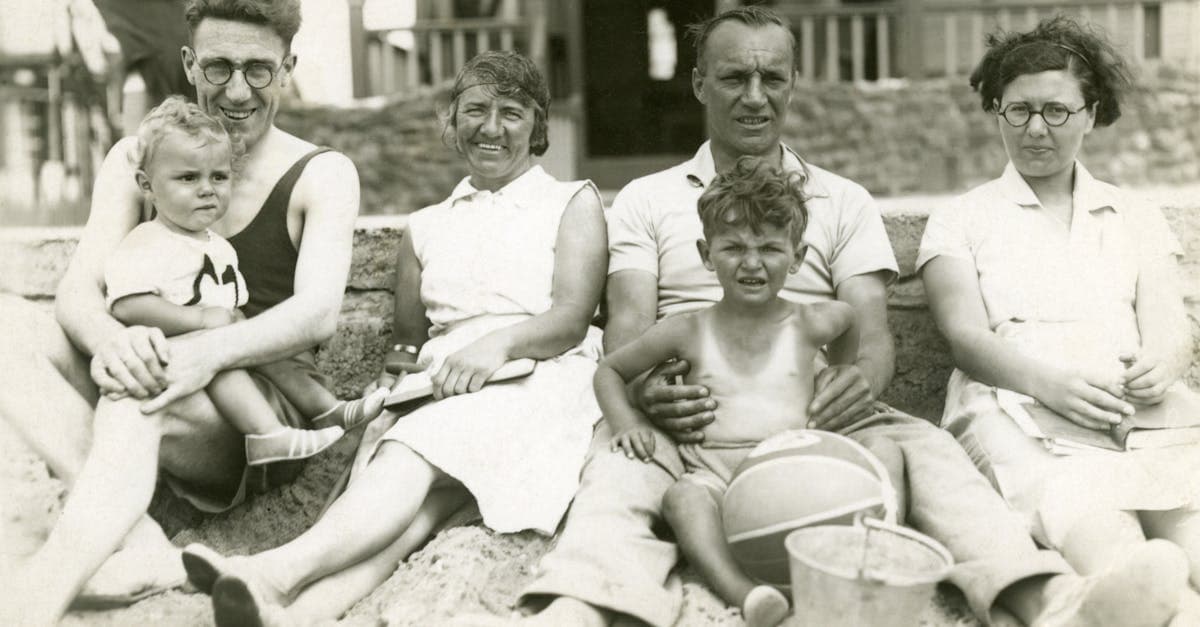
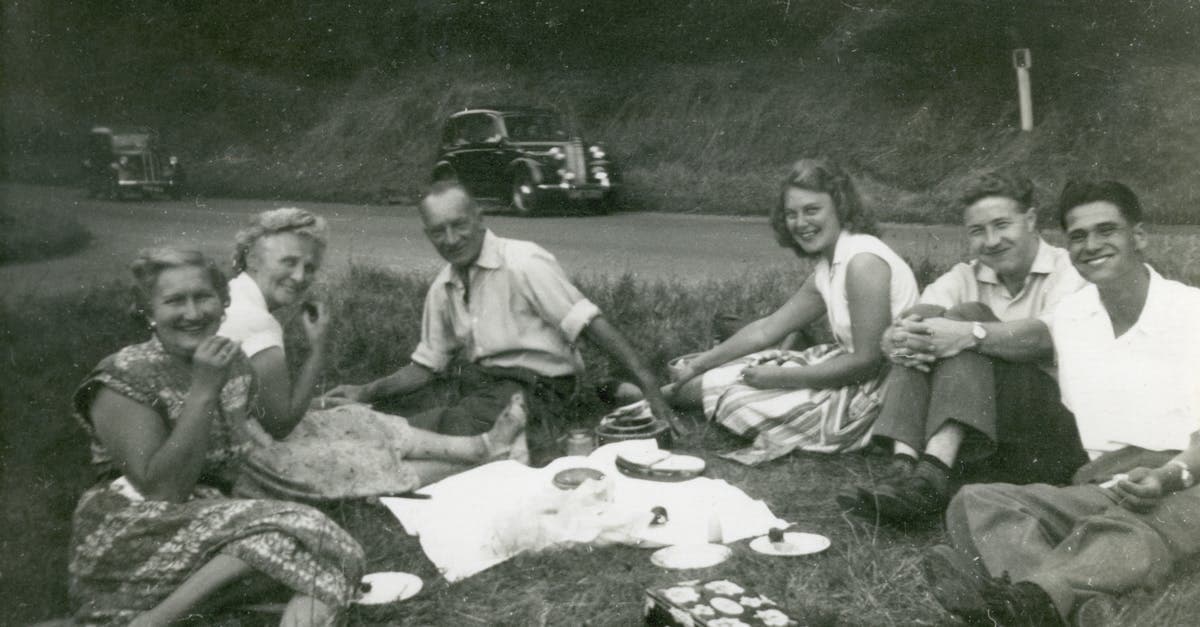
Family photographs from the 1940s are split cleanly into "before" and "after." Before the war, compositions are relaxed; after, there is a formality and preciousness to surviving images. Restoring them is often less about repairing damage than about lifting out faces that have been pressed against the inside of a wallet for eighty years.
How photographs were made in the 1940s
Wartime paper rationing forced cheaper, thinner photographic papers into the consumer market, and the snapshots from 1942 to 1946 are typically printed on noticeably lower-quality stock than prewar or postwar material. Ektachrome was introduced in 1946 as a user-processable color reversal film (unlike Kodachrome, which required factory processing), and it quickly found use among professionals and advanced amateurs. Kodachrome itself moved to the K-12 and then K-14 processes, extending its already-remarkable dye stability.
V-Mail is a special case: letters written on standardized forms were microfilmed, shipped as 16mm film to war zones, and reprinted locally as small photographic prints. The surviving V-Mail prints are true gelatin silver photographs of microfilmed handwriting and, occasionally, of accompanying family photos. Polaroid did not yet exist — Edwin Land's first instant camera appeared in 1948 as the Model 95, using Type 40 sepia roll film.
What damage looks like on 1940s photos
Wartime prints suffer disproportionately from foxing and chemical staining because the thin rationed papers were more reactive to humidity and atmospheric sulfur. Prints that traveled through tropical war zones — the Pacific, Southeast Asia, North Africa — often show mold staining, emulsion lift from moisture, and chemical fog from extreme heat exposure. Prints carried in uniforms show the diagonal crease pattern of a folded photo and wear along the center line.
Ektachrome slides from the late 1940s exhibit the signature failure of early E-process film: cyan dye fading, which leaves the image looking uniformly magenta-yellow because the cyan layer decomposes first. Kodachrome from the same period looks nearly untouched. Type 40 Polaroids from 1948–1949 tend to yellow overall, and the surface coating applied by the photographer after development is often uneven, leaving streaky dark lines across the print.
What AI can restore on 1940s photos
PhotoFlip's restore handles foxing, chemical staining, wartime paper degradation, crease marks from folded wallet photos, and the overall tonal flattening of mid-century silver prints. For faded Ektachrome slides, the AI rebuilds the missing cyan channel and restores neutral color balance — this is one of the clearest use cases for AI color restoration because the fade pattern is mathematically predictable. Face-restore is essential for V-Mail prints, wallet-carried portraits, and small-format snapshots where the subject occupies only a fraction of the frame.
What AI cannot do: recover a print that has been soaked, dried, and stuck to another print, rebuild a Polaroid whose coating has flaked off entirely, or restore a photograph that someone "fixed" at home by laminating it or coating it in clear varnish.
Tips for scanning 1940s photos
Handle wartime prints by the edges only — the thin paper is fragile and fingerprints from skin oils will become permanent foxing sites within years. Scan V-Mail prints at 1200 DPI minimum because the originals are small and text-heavy. For Ektachrome slides, scan at 4000 DPI on a film scanner; the early E-process film is grainier than Kodachrome but still holds significant detail. Do not remove slides from original cardboard mounts unless the mount is physically damaging the film. Scan Type 40 Polaroids face-up on a flatbed at 1200 DPI and be careful not to let the scanner lid press against the coated surface.
How to restore a 1940s photo with PhotoFlip
Frequently Asked Questions
Yes, and it is one of the most common kinds of 1940s restoration PhotoFlip handles. The crease sits on the surface of the image and the AI separates it from the underlying content, rebuilding the damaged pixels using the surrounding face and background. Deep emulsion cracks along the fold line are harder but usually partially recoverable.
That is the classic cyan-fade failure of early Ektachrome, and it is highly recoverable. The AI models the known fade curve of the E-1 and E-2 processes, reconstructs the missing cyan channel, and rebalances the image to neutral color. Results are sometimes startling — slides that looked hopelessly pink for decades return to near-original color.
Yes. V-Mail prints are true photographic prints and respond to standard restoration. The AI handles the small size and contrast issues of microfilmed handwriting, and [/face-restore](/face-restore) can improve any faces included in the attached family photo. Scan at high resolution because the originals are only around 4x5 inches.
Type 40 Polaroids required the photographer to apply a print coater by hand after development, and uneven application produced streaks that became permanent. The overall yellowing is oxidation of the early instant-film chemistry. PhotoFlip can reduce both artifacts, though heavily streaked prints may retain some residual texture.
Sources
Restore photos from other decades


Ready to restore a photo from the 1940s?
Free preview, no account needed. Download it in full resolution with a free account.
Upload a photo